Trying to choose between a brand-new home and an established neighborhood in Issaquah? It is a smart question, especially in a city where growth is carefully managed and housing options can feel very different from one area to the next. If you are weighing newer finishes, lower near-term maintenance, and planned amenities against mature trees, varied lot patterns, and neighborhood character, this guide will help you compare the tradeoffs with more clarity. Let’s dive in.
Why this choice matters in Issaquah
Issaquah is not a market where new construction spreads endlessly outward. The city has directed growth to the valley floor to help protect existing neighborhoods and forested hillsides, which means newer housing is often concentrated in specific master-planned areas or infill locations rather than broad new subdivisions.
That matters because your decision is often about where and how a home was built, not just when. In Issaquah, the real comparison is often master-planned community versus hillside neighborhood versus mixed-use infill area.
The pace of the market adds another layer. Recent snapshots show Issaquah homes moving quickly, with homes selling in about 13 days in May 2026 and a median 13 days to pending reported as of April 30, 2026.
How Issaquah’s housing mix has evolved
Issaquah has grown from a primarily single-family bedroom community into a city with a broader mix of housing types and amenities. That shift shows up clearly in local housing data and in the way the city plans for future growth.
In 2023, Issaquah completed 114 housing units, including 41 single-family homes, 71 multifamily units, and two ADUs. Since 2019, the city says 1,493 units have been built, reaching 43% of its 2019 to 2044 housing target of 3,500 units.
Another important trend is that multifamily construction has generally outpaced single-family construction since 2018. For buyers, that helps explain why many of the newer options you will see in Issaquah are townhomes, condos, duplex-style homes, or mixed-use residences rather than large-lot suburban subdivisions.
Where new construction shows up
Master-planned communities
When most buyers think of new construction in Issaquah, they often think first of Issaquah Highlands. The city says the community began welcoming residents in 1998, now has more than 4,000 homes, and is nearly built out, with about 20 acres of buildable land remaining for commercial development, retail, and more housing.
Issaquah Highlands stands out for its planned structure, newer housing stock, and neighborhood systems that were designed with a more modern framework. The city also highlights Built Green neighborhoods and the Highlands Fiber Network, which may appeal to buyers who value updated infrastructure and a more connected community layout.
Talus is another major example. The city describes it as a 630-acre community on Cougar Mountain with access to about 200 miles of trails and more than 20,000 acres of protected nature preserve, and it notes that construction has started on Talus 9.
Montreux is a little different. It is mostly built out, but it still offers a planned-community feel with 247 homes across 260 acres, wooded common areas, and broad views. For some buyers, that creates a middle ground between fully new product and more traditional established neighborhoods.
Infill and mixed-use development
Not all new construction in Issaquah looks like a planned hillside community. In Central Issaquah, the city encourages residential development as mixed use, often in one- to five-story buildings.
That means newer homes in this area may include condos, townhomes, duplex-style residences, or homes integrated into mixed-use settings. If you want location, convenience, and a lower-maintenance lifestyle, this can be an important category to consider.
The city is also advancing larger housing efforts tied to future growth. It is working with the King County Housing Authority on a mixed-use, mixed-income, transit-oriented development in Central Issaquah, and the High Street Collection project in Issaquah Highlands is planned for up to 1,250 residential units, mostly in mixed-use buildings, plus age-restricted housing, affordable units, and community recreation space.
What new construction often offers
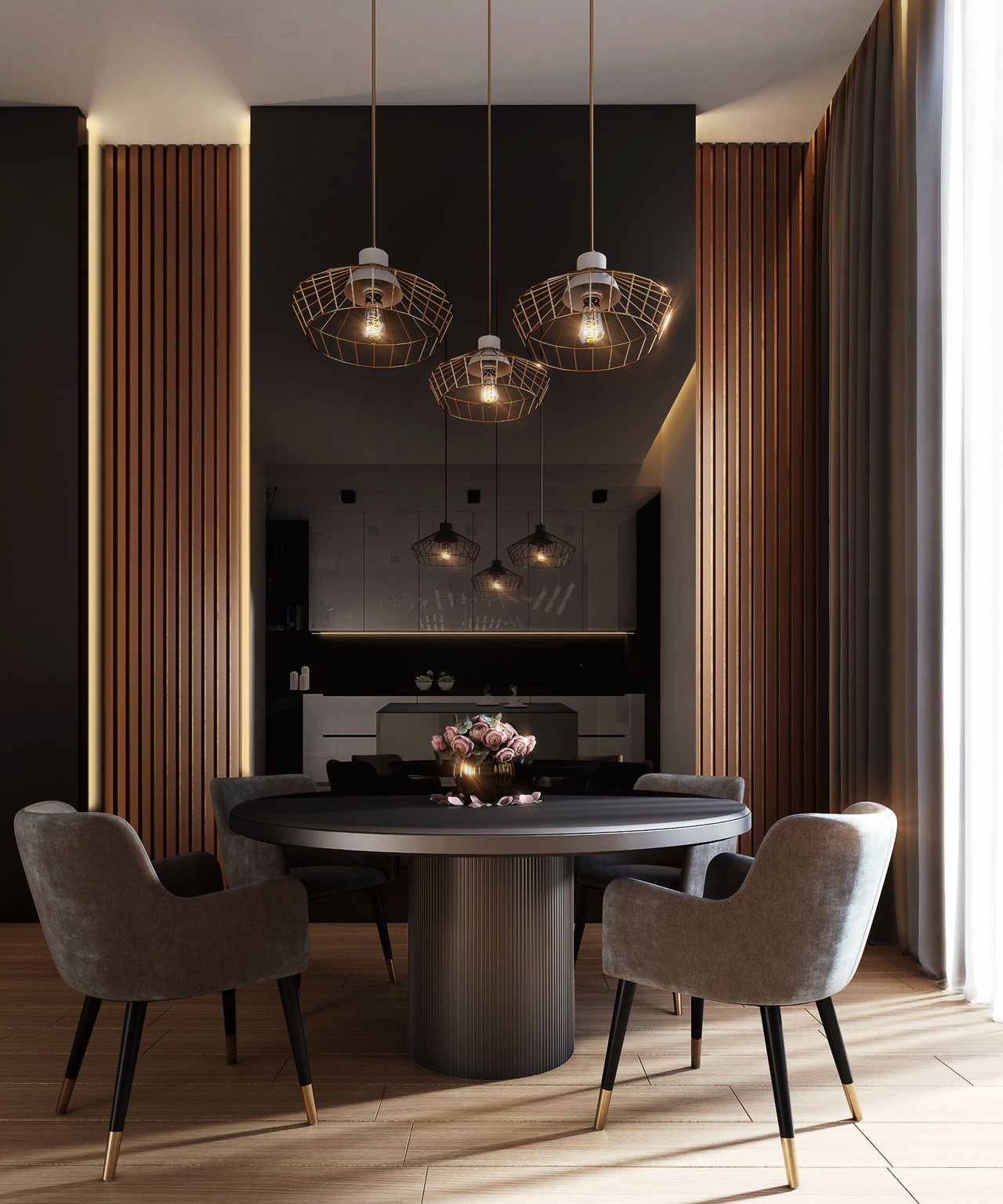
Newer homes in Issaquah tend to appeal to buyers who want a more predictable move-in experience. You may find modern finishes, updated layouts, newer systems, and shared amenities that reduce some of the immediate maintenance concerns that can come with an older property.
That said, new construction here often comes with tradeoffs. Because much of the newer inventory is in master-planned or infill settings, you may be balancing less land flexibility, HOA or association rules, and a denser built environment against the convenience of a newer home.
It is also worth remembering that city permitting is a baseline, not a guarantee of perfection. Issaquah’s permit center says construction permits are intended to ensure structures are built to nationally recognized standards, and the city adopted the 2021 International Building and Fire code series effective March 15, 2024, but buyers should still pay close attention to builder quality, warranties, drainage, grading, and final punch-list items.
Where established neighborhoods stand out
Olde Town character
If you are drawn to homes with history and a more traditional street pattern, Olde Town is one of Issaquah’s clearest established-neighborhood examples. The city describes it as predating the more suburban, car-oriented form found elsewhere and notes its small-town charm, traditional architecture, and walkability.
For some buyers, that appeal is hard to replicate in newer developments. You may find a stronger sense of architectural variation and a neighborhood layout that feels more organic than planned.
Hillside and mature-lot neighborhoods
Squak Mountain offers another version of established Issaquah living. The city says older development there began in the 1960s and 1970s, and the neighborhood includes wooded lots, dead-end streets, and a wide range of views.
That combination can be attractive if you want mature landscaping, privacy, and a less uniform streetscape. It also comes with more variation, since some parts are governed by HOAs while others are not.
Sycamore is another established area shaped by the land itself. The city says it is primarily made up of single-family homes on large lots, has matured for about 30 years, and is constrained by steep slopes and wetlands.
South Lake Sammamish adds yet another established-neighborhood option, with multiple sub-neighborhoods, city parks, and ongoing infrastructure projects since its annexation from King County in 2006.
What established neighborhoods often offer
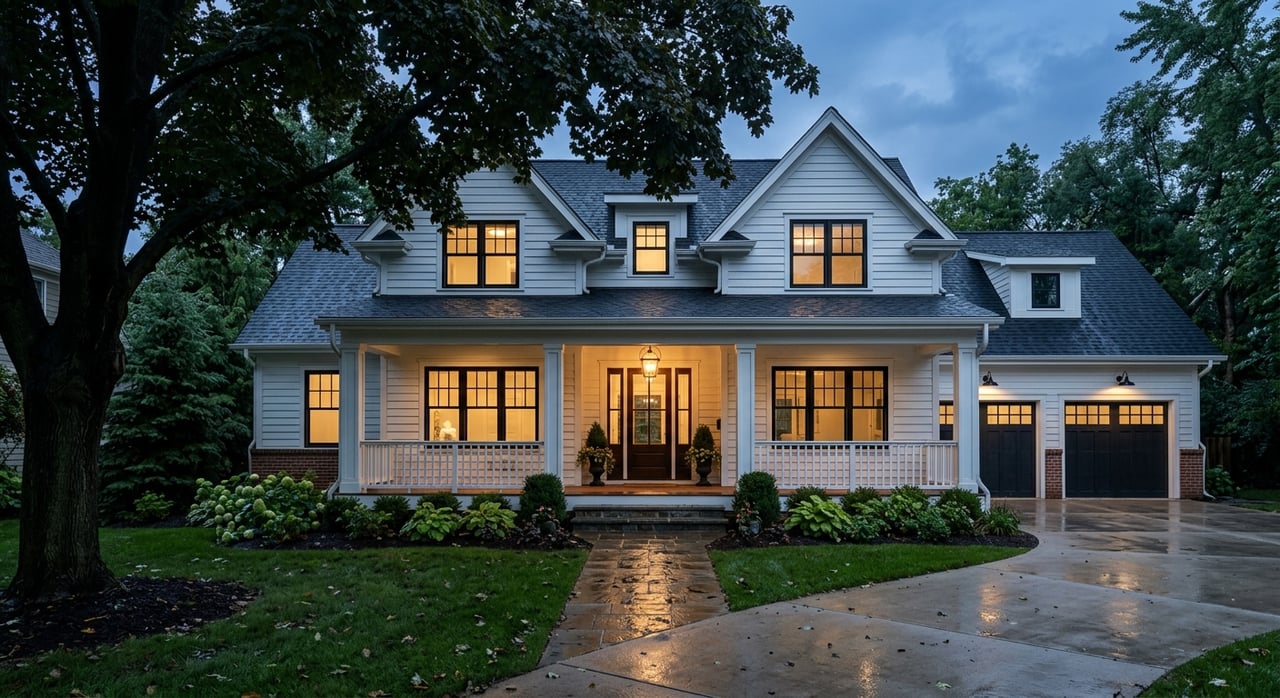
Established neighborhoods in Issaquah often appeal to buyers who care more about character, lot variety, mature trees, and neighborhood individuality than having a brand-new home. In some cases, you may also find larger or more varied lots than you would in newer communities.
The tradeoff is that older homes can require more planning. Depending on the property, you may need to budget for renovations, system updates, or more detailed due diligence related to drainage, slopes, tree cover, or long-term maintenance.
That does not make established neighborhoods a better or worse choice. It simply means the ownership experience can look different from day one.
New construction versus established neighborhoods
Here is a simple way to compare the two paths in Issaquah:
| Factor | New Construction | Established Neighborhoods |
|---|---|---|
| Typical setting | Master-planned community or infill project | Historic, hillside, or mature residential area |
| Home style mix | Townhomes, condos, mixed-use homes, some newer single-family | Older single-family, condos, townhomes, duplexes |
| Near-term maintenance | Often lower at move-in | Often more variable |
| Lot pattern | More standardized | More varied |
| Community structure | More likely HOA or association-based | May or may not have HOA governance |
| Neighborhood feel | Curated and planned | More organic and individualized |
| Key due diligence | Builder quality, warranties, grading, punch list | Age of systems, renovation needs, site conditions |
The cost question buyers should not skip
List price is only part of the picture. In a fast-moving market like Issaquah, where Redfin reported home prices around $999,402 in May 2026 and Zillow reported an average home value of $1,167,995 with 176 homes for sale as of April 30, 2026, your better comparison is total ownership cost.
For newer communities, that often means looking closely at HOA dues, association rules, and what is covered. For established homes, it usually means estimating likely repair, renovation, and replacement costs over the next several years.
A lower-maintenance home with dues is not automatically more expensive, and an older home without dues is not automatically less expensive. The right answer depends on your timeline, your tolerance for projects, and how you want to live day to day.
How to decide which path fits you
If you want newer finishes, a simpler move-in process, and a community with planned amenities, new construction may be the better fit. In Issaquah, that often means focusing on places like Issaquah Highlands, Talus, or newer mixed-use and infill options in Central Issaquah.
If you care more about character, mature surroundings, lot variety, and a neighborhood that feels less uniform, an established area may serve you better. Olde Town, Squak Mountain, Sycamore, and parts of South Lake Sammamish are all examples of that broader pattern.
If convenience matters more than land, Central Issaquah deserves special attention. Because the city is guiding future growth there around mixed-use density and transit-oriented planning, it can be a strong fit for buyers who want location and lower-maintenance living over a larger homesite.
In the end, the best Issaquah choice is often not simply new versus old. It is choosing the version of Issaquah that best matches your lifestyle, budget, maintenance preferences, and long-term plans.
If you want a tailored strategy for comparing newer communities, infill opportunities, and established neighborhoods across the Eastside, The Sessoms Group can help you weigh the tradeoffs with clear advice and concierge-level support.
FAQs
What kinds of new construction are most common in Issaquah?
- In Issaquah, newer housing is often found in master-planned communities like Issaquah Highlands and Talus or in mixed-use and infill areas like Central Issaquah, rather than in large new suburban subdivisions.
What are the benefits of established neighborhoods in Issaquah?
- Established neighborhoods in Issaquah often offer mature landscaping, more varied lot patterns, distinctive streetscapes, and in some cases larger lots or a more historic feel.
Is Central Issaquah better for new homes or older homes?
- Central Issaquah includes both older homes and newer housing types such as condos, townhomes, duplexes, and mixed-use residences, so it can work for buyers considering either established or newer options.
Do new construction homes in Issaquah usually have HOAs?
- Many newer homes in Issaquah are located in master-planned or shared-community settings, so HOA or association governance is common, though the exact structure depends on the specific development.
What should buyers compare besides price in Issaquah?
- Buyers in Issaquah should compare total ownership cost, including HOA dues, association rules, likely maintenance, future repairs, builder warranties, and site-specific issues such as drainage or slopes.